Installing a sewer system in a new property is a critical step that requires careful planning and execution. Whether you’re building a new home or a commercial building, understanding the sewer installation process can help ensure a successful and efficient project. Here’s an overview of what you can expect during the sewer installation process.
Initial Planning and Design
The first step in the sewer installation process is planning and design. This involves assessing the property, determining the best route for the sewer lines, and obtaining necessary permits. A professional plumbing contractor will conduct a site survey to evaluate the soil, terrain, and existing infrastructure. Based on this assessment, they will design a sewer system that meets local regulations and the specific needs of your property.
Excavation and Trenching
Once the design is finalized and permits are secured, the next step is excavation. This involves digging trenches where the sewer pipes will be laid. The depth and width of the trenches depend on the design specifications and local building codes. Proper excavation is crucial to ensure the sewer pipes are installed at the correct slope for optimal flow.
Pipe Installation
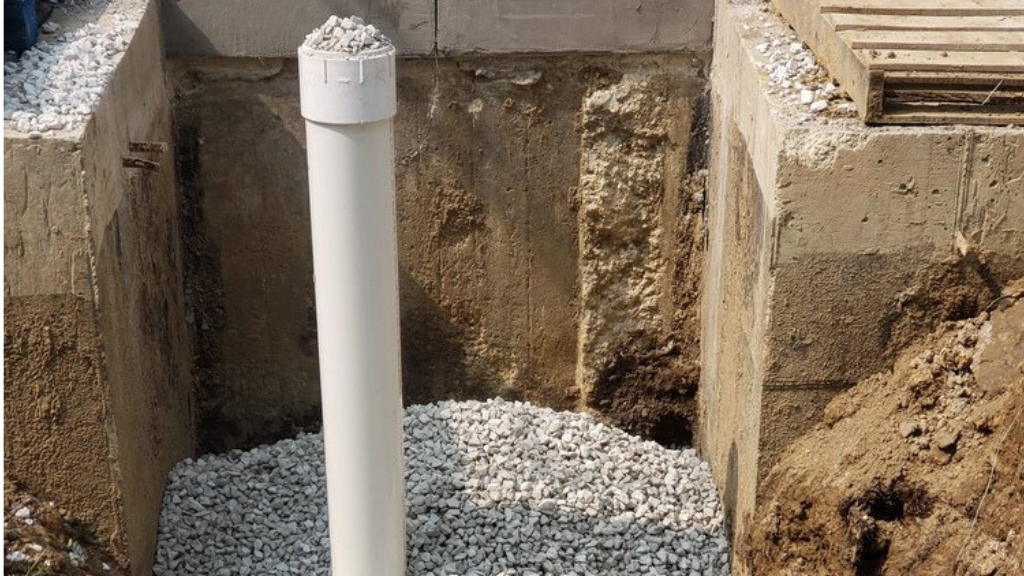
After excavation, the sewer pipes are carefully laid in the trenches. This step requires precision to ensure the pipes are aligned correctly and securely connected. The pipes are typically made of durable materials such as PVC or cast iron, designed to withstand the demands of a sewer system. Proper bedding and backfilling techniques are used to protect the pipes and maintain their alignment.
Connection to the Main Sewer Line
The newly installed sewer system must be connected to the main sewer line. This step requires coordination with local utility providers and adherence to specific regulations. The connection ensures that wastewater from the property is directed to the municipal sewer system for treatment and disposal.
Inspection and Testing
Before the sewer system is operational, it must undergo thorough inspection and testing. This ensures that the installation meets all regulatory requirements and functions correctly. Pressure tests and camera inspections are commonly used to check for leaks, blockages, and other potential issues. Any problems identified during this stage are addressed promptly to ensure the system operates smoothly.
Final Steps and Maintenance
Once the installation is complete and the system passes all inspections, the final step is to restore the site. This involves backfilling trenches, compacting the soil, and restoring landscaping. It’s also important to establish a maintenance plan to keep the sewer system in good condition. Regular inspections and cleaning, such as sewer rodding, can help prevent issues and extend the life of the system.
Conclusion
Understanding the sewer installation process for new properties is essential for ensuring a successful project. From initial planning and excavation to pipe installation and final inspection, each step requires expertise and attention to detail. By working with experienced professionals and maintaining your system with services like sewer rodding near me, you can ensure a reliable and efficient sewer system for your new property.