Choosing the right color for your home’s siding is more than just a matter of personal preference—it’s a decision that can significantly impact your home’s curb appeal, perceived size, and even its market value. Understanding the psychology behind color choices can help you make an informed decision that not only enhances your home’s aesthetic but also aligns with your lifestyle and personality. In this blog post, we’ll delve into the fascinating world of siding color psychology and provide you with actionable tips to select the perfect hue for your home.
Understanding Color Psychology
Color psychology explores how different colors influence our emotions, behaviors, and perceptions. When applied to home siding, it can help create an exterior that reflects your personal style while evoking the desired response from visitors and passersby.
Key Principles of Color Psychology:
- Emotional Impact: Colors can evoke specific emotions. For example, blue tends to be calming, while red can energize.
- Perception of Space: Light colors can make a space appear larger, whereas dark colors can add depth and contrast.
- Cultural Associations: Colors often carry cultural meanings that can influence their reception.
Popular Siding Colors and Their Psychological Effects
1. White: Timeless and Elegant
Psychological Impact:
- Purity and Simplicity: White symbolizes cleanliness, simplicity, and sophistication.
- Versatility: It serves as a neutral backdrop, allowing architectural features and landscaping to stand out.
Best For:
- Traditional and modern homes alike.
- Homes with intricate architectural details that you want to highlight.
Considerations:
- Maintenance: White can show dirt and stains more easily, requiring regular cleaning to maintain its pristine appearance.
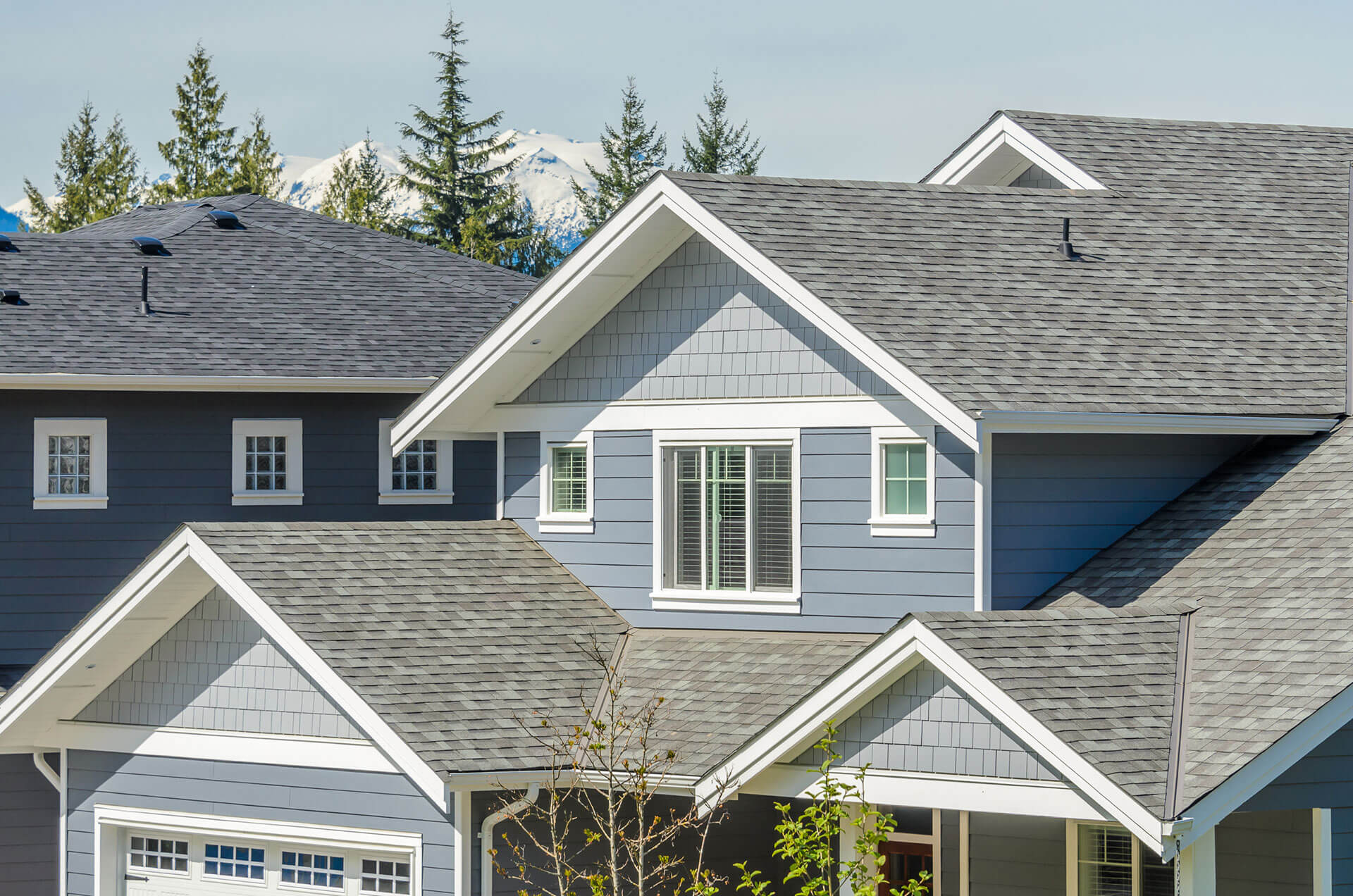
2. Gray: Modern and Versatile
Psychological Impact:
- Balance and Neutrality: Gray is often associated with balance, calmness, and neutrality.
- Sophistication: It conveys a sense of modern elegance and can adapt to various design styles.
Best For:
- Contemporary homes and urban settings.
- Properties surrounded by greenery, as gray complements natural landscapes beautifully.
Considerations:
- Shade Selection: Lighter grays can make a home feel airy, while darker grays add depth and drama.
3. Blue: Calming and Trustworthy
Psychological Impact:
- Calmness and Serenity: Blue evokes feelings of tranquility and peace.
- Trust and Reliability: Often associated with dependability and stability.
Best For:
- Coastal or lakeside homes.
- Homes where a soothing and welcoming atmosphere is desired.
Considerations:
- Brightness: Lighter blues can brighten a home’s appearance, while darker blues add a rich, bold statement.
4. Beige and Taupe: Warm and Inviting
Psychological Impact:
- Warmth and Comfort: These earthy tones create a cozy and inviting ambiance.
- Subtlety: They offer a gentle, understated elegance without overwhelming the senses.
Best For:
- Traditional and rustic homes.
- Properties in natural settings, blending seamlessly with the environment.
Considerations:
- Accent Colors: Pairing beige or taupe with vibrant accent colors can add visual interest and contrast.
5. Red: Bold and Energetic
Psychological Impact:
- Energy and Passion: Red is a powerful color that can evoke strong emotions and grab attention.
- Warmth: It adds a sense of warmth and can make a home feel more welcoming.
Best For:
- Homes with a bold architectural style.
- Accent features such as doors, shutters, or trim.
Considerations:
- Balance: Using red sparingly can prevent it from becoming overwhelming. It’s best suited as an accent color rather than the primary hue.
6. Green: Natural and Refreshing
Psychological Impact:
- Nature and Growth: Green symbolizes harmony, growth, and renewal.
- Calmness: It creates a peaceful and refreshing atmosphere.
Best For:
- Homes in lush, green neighborhoods.
- Properties with extensive landscaping or garden areas.
Considerations:
- Shade Selection: Olive or sage greens offer a more subdued look, while brighter greens make a vibrant statement.
7. Black: Sophisticated and Dramatic
Psychological Impact:
- Elegance and Sophistication: Black exudes a sense of luxury and modernity.
- Boldness: It makes a striking statement and adds contrast.
Best For:
- Contemporary and minimalist homes.
- Accent features like doors, window frames, or trim.
Considerations:
- Contrast: Black works well when paired with lighter colors for a balanced and visually appealing exterior.
Tips for Choosing the Perfect Siding Color
1. Consider Your Home’s Architecture
Different architectural styles often pair well with specific colors. For example:
- Traditional Homes: White, beige, and muted reds complement classic designs.
- Modern Homes: Gray, black, and bold colors enhance contemporary aesthetics.
2. Factor in the Surrounding Environment
Your home’s exterior should harmonize with its surroundings:
- Natural Settings: Earthy tones like green, taupe, and brown blend seamlessly with nature.
- Urban Areas: Bold and sophisticated colors like gray, black, and blue stand out in cityscapes.
3. Evaluate Your Neighborhood’s Aesthetic
While personal preference is paramount, considering the overall look of your neighborhood can help maintain a cohesive streetscape:
- Consistent with Neighbors: Choose colors that complement the majority of homes in your area.
- Stand Out Tastefully: If allowed, select a color that distinguishes your home without clashing with the surrounding properties.
4. Test Samples Before Committing
Colors can look different in various lighting conditions:
- Paint Samples: Apply small patches of your chosen color on different parts of your home to observe how they change throughout the day.
- Visualization Tools: Use online tools or apps to preview different color combinations on your home’s exterior.
5. Consult with Professional Siding Contractors
Experienced Siding Contractors Chicago can provide valuable insights and recommendations based on their expertise:
- Expert Advice: They can suggest colors that enhance your home’s features and withstand local climate conditions.
- Quality Installation: Professional contractors ensure that the siding color is applied correctly, maintaining its vibrancy and longevity.
Final Thoughts
Selecting the perfect siding color involves a blend of personal taste, architectural harmony, and psychological impact. By understanding the emotions and perceptions associated with different colors, you can make a choice that not only beautifies your home but also creates the desired ambiance. Remember to consider your home’s architecture, surrounding environment, and neighborhood aesthetics, and don’t hesitate to seek professional guidance from skilled siding contractors.