Permanent Makeup: Fascinating Facts Behind the Wake-Up-Ready Beauty Trend
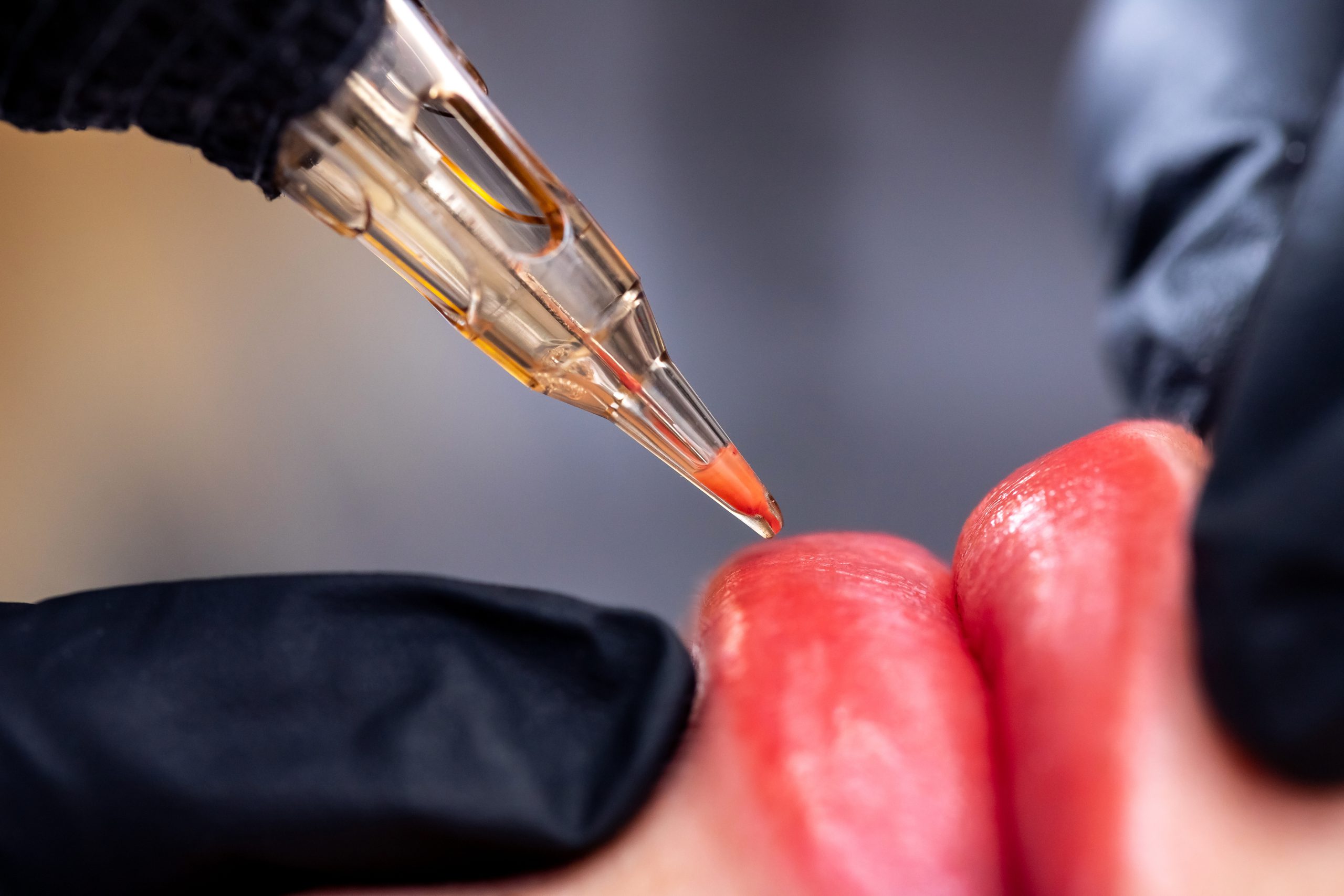
Between early commutes on the Blue Line, lakefront runs and long days that stretch into evening plans, many Chicagoans find that their makeup simply does not keep up. Permanent makeup, also called cosmetic tattooing or micropigmentation, was designed for exactly this problem. It places pigment into the skin to recreate the look of brows, eyeliner or lip color that stays put through sweat, rain and swimming. For anyone exploring permanent makeup Chicago services, here is a look at the surprising history, science and options behind the craft.
It is older than you might guess
Cosmetic tattooing is far from new. In the early twentieth century, a London tattoo artist named George Burchett quietly offered permanent blush and lip tinting to fashionable clients who wanted to look fresh without the effort. Long before that, ancient cultures used pigment on the skin for both decoration and status. What has changed dramatically is the precision of modern tools, the safety of pigments and the artistry of the people performing the work.
Permanent is not quite permanent
Despite the name, permanent makeup does fade. Pigment is placed in the upper dermis, shallower than a body tattoo, and the particles are gradually broken down by the immune system and lightened by sun exposure. Most results last between one and five years depending on the procedure, skin type and how well the area is protected. This slow fade is actually an advantage, because facial trends change and features shift with age. A refresh every few years allows the look to evolve rather than remain frozen in time.
The three most popular procedures
Brows are the most requested service, with techniques ranging from hair-stroke microblading to soft powder shading and hybrid combinations. Eyeliner comes next; a subtle lash enhancement tattoo darkens the base of the lash line so eyes appear fuller without a visible wing. Lip blush is the fastest-growing category, adding a wash of natural color that corrects asymmetry, defines faded borders and gives the illusion of fuller lips. Less common but equally valuable are beauty marks, scalp micropigmentation for thinning hair and scar camouflage.
Pigments are not tattoo ink
The pigments used for cosmetic tattooing are formulated specifically for facial skin. They tend to be more diluted, contain different carrier solutions and are designed to fade gracefully instead of shifting to unexpected tones. Modern professional pigments are often tested for heavy metals and are made in either organic or inorganic formulas, each with its own advantages for longevity and color stability.
Your artist is part colorist, part engineer
Choosing pigment involves analyzing skin undertone, melanin levels and even the natural color of the lips or brow hairs. Cool-toned skin may require a warmer pigment to prevent an ashy healed result, while warm skin may need the opposite. Depth of implantation matters too; too shallow and the pigment sheds during healing, too deep and it can spread or turn bluish. This balance is what separates experienced artists from beginners.
Healing has stages
Right after a procedure, the color appears intense and slightly swollen. Over the following week, the skin forms a thin protective layer that flakes away, taking some pigment with it. The area may then look lighter than expected before the true color settles over four to six weeks. Understanding this timeline helps clients avoid the panic that sometimes comes in the middle of healing.
Who benefits most
Permanent makeup appeals to busy professionals, athletes and people with vision changes who struggle to apply makeup precisely. It is also popular among those with allergies to conventional cosmetics, people with alopecia or thinning brows, and clients recovering from medical treatments that affected their hair or skin. For many, the appeal is less about glamour and more about reclaiming confidence and time.
What to consider before deciding
When researching permanent makeup Chicago providers, ask to see healed work, not just freshly finished photos, and confirm that the artist works in a sanitary environment with single-use needles and properly stored pigments. Discuss any medications, skin conditions or upcoming procedures such as laser treatments, since these can affect results. A thorough consultation should feel like a conversation, not a sales pitch.
Permanent makeup blends art, chemistry and a little anatomy, and it continues to grow as techniques become more refined. For anyone who wants to simplify their routine without giving up a polished look, it is worth understanding how the craft works before taking the next step.