The Hidden Costs of DIY Hardwood Floor Installation
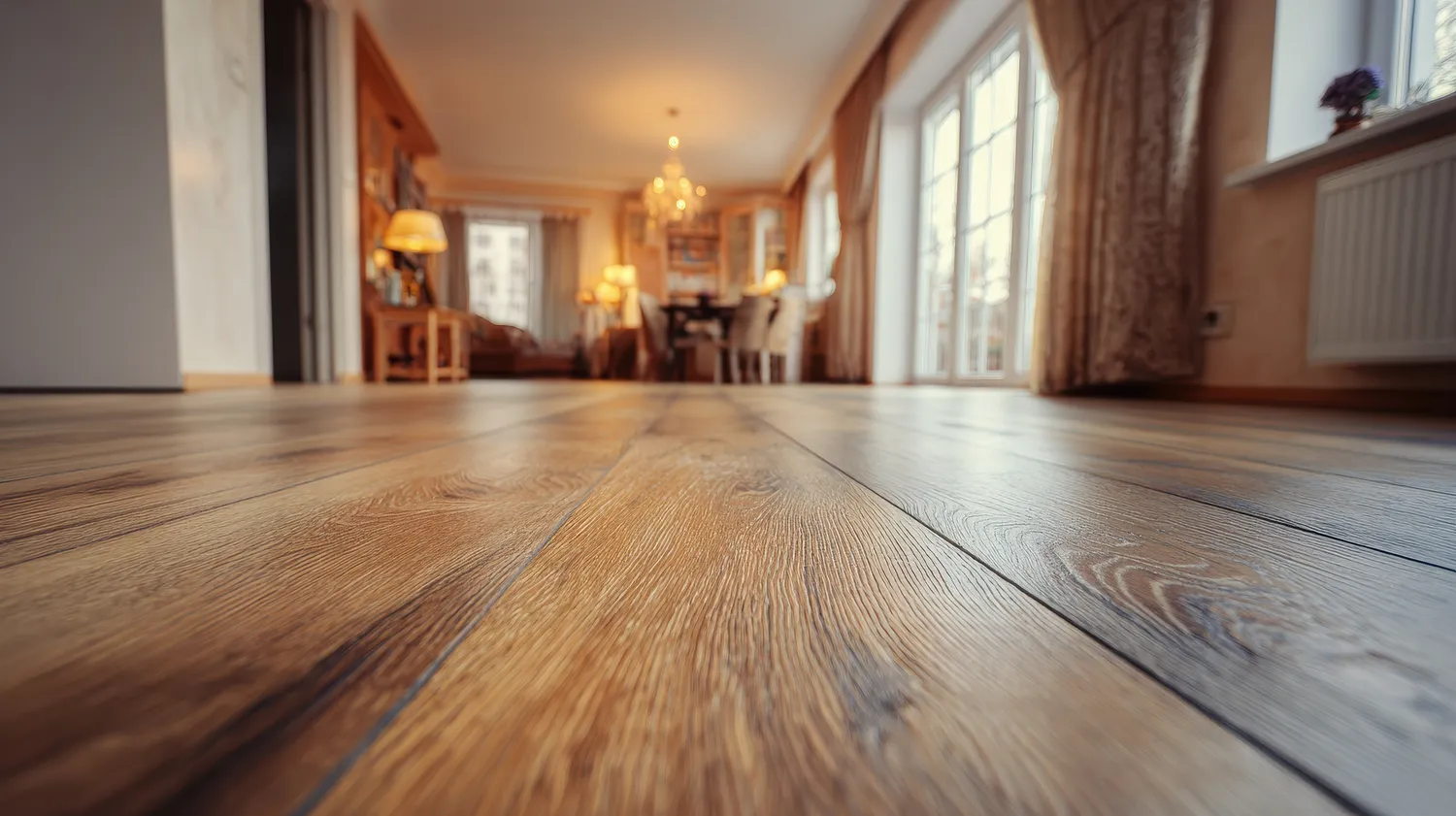
Taking on a DIY hardwood floor installation project can feel exciting at first. You imagine saving money, learning a new skill, and enjoying the satisfaction of transforming your space with your own hands. But what many homeowners don’t realize is that the true cost of DIY hardwood floor installation often goes far beyond the price of materials—and those hidden expenses can add up quickly.
One of the most common surprises is the cost of tools. Professional-grade equipment like floor nailers, moisture meters, saws, and sanders aren’t cheap. Renting them may seem like a good option, but rental fees can stack up if the project takes longer than expected—which it often does for beginners. Many people who start by searching hardwood floor installation near me Algonquin initially plan to do it themselves, only to discover that the upfront “savings” aren’t as significant as they thought.
Another hidden cost comes from mistakes. Hardwood flooring requires precision at every step, from measuring and cutting to spacing and alignment. A single miscalculation can lead to wasted materials or uneven flooring that needs to be redone. Unlike painting a wall, errors in flooring are much harder—and more expensive—to fix. In some cases, homeowners end up purchasing extra planks just to recover from avoidable issues.
Time is another factor that’s often underestimated. What professionals can complete in a few days might take a DIYer several weekends or even longer. During that time, your home may be partially unusable, creating inconvenience for your daily routine. For families or busy homeowners, this disruption can quickly become frustrating.
There’s also the issue of subfloor preparation and moisture control. These are critical steps that are easy to overlook without proper experience. Skipping or incorrectly handling them can lead to long-term problems such as warping, buckling, or mold. Many homeowners searching for hardwood floor installation near me Lake in the Hills eventually realize that these behind-the-scenes details are just as important as the visible finish.
And speaking of finishing, sanding and sealing hardwood floors is a delicate process. Uneven sanding can leave visible marks, while improper sealing can reduce durability and make the floor more vulnerable to damage. Fixing these issues after the fact often requires professional intervention—adding even more to the overall cost.
In the end, DIY hardwood floor installation may seem like a cost-saving project, but the hidden expenses—tools, time, mistakes, and potential repairs—can outweigh the initial benefits. Choosing experienced professionals not only ensures a high-quality result but also protects your investment in the long run.
Sometimes, the smartest way to save money is to do it right the first time.