What Happens After the Rain Stops?
Clear skies do not always mean a roof has finished dealing with a storm. Water may remain around a blocked drain or collect where the surface no longer directs it effectively. If commercial roofing near me Aurora is on your maintenance agenda, drainage deserves attention even when nobody has reported an interior leak.
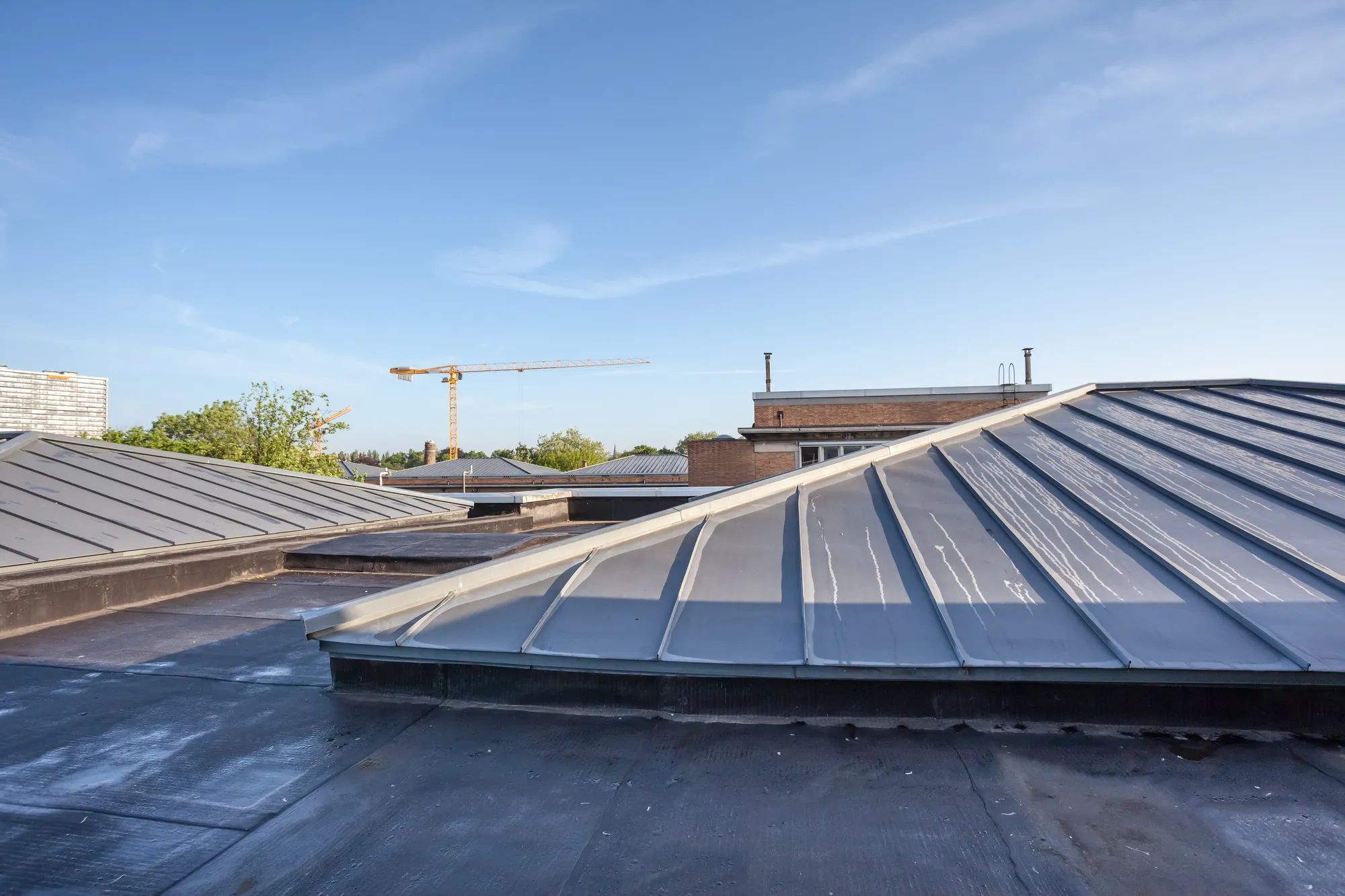
Low-slope roofs rely on an intentional path for runoff. Drains, scuppers, gutters, and downspouts each play a role, depending on the building. Leaves and windblown debris can interrupt that path, while settlement or changes to the roof assembly can create low areas. Clearing an outlet may resolve one problem, but it will not necessarily correct the reason water collects elsewhere.
Before selecting commercial roofing near me Aurora, ask how the contractor will assess recurring standing water. Useful observations include its location, approximate extent, and how long it remains after rainfall. Photographs taken safely from an accessible location can support the discussion without requiring building staff to walk onto an unfamiliar roof.
A lasting response depends on the cause. The work might involve routine cleaning, a drainage repair, or a more detailed review of slope and roof conditions. Avoid assuming that every puddle needs the same treatment. A thoughtful approach to commercial roofing near me Aurora connects the proposed work to the way your building sheds water. Schedule a drainage review and turn the next rainstorm into a useful check on roof performance.