Western Red Cedar Isn’t Really a Cedar — and Other Surprising Facts About This Remarkable Wood
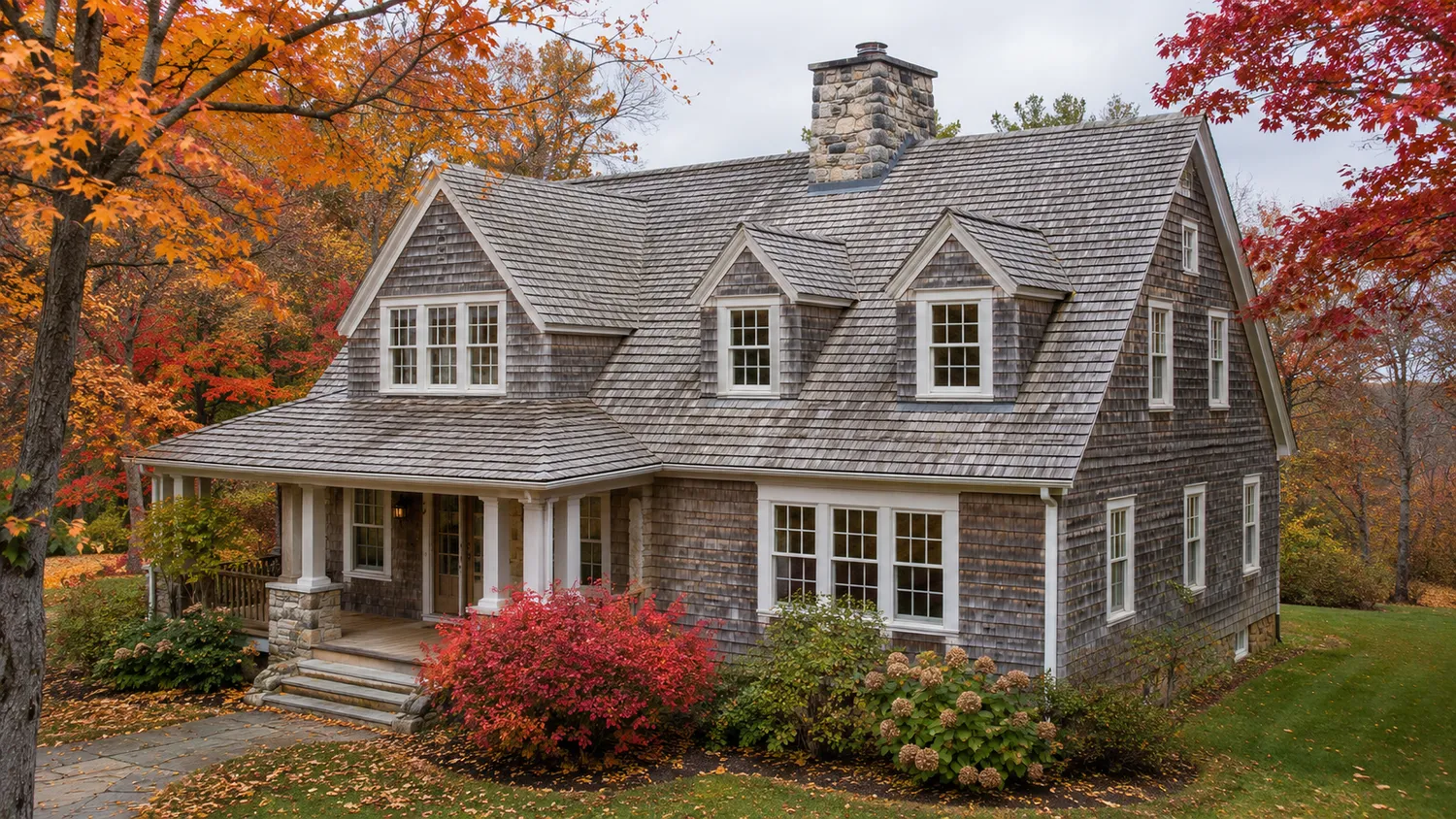
Walk past almost any house with a wood roof in North America and there’s a good chance you’re looking at western red cedar. It’s the go-to species for shakes and shingles, prized for its color, its scent and its ability to stand up to decades of rain, snow and sun. But the more closely you look at this tree, the stranger and more interesting it becomes, starting with its name.
A “Cedar” in Name Only
Botanically speaking, true cedars belong to the genus Cedrus. That group includes the cedar of Lebanon, the Atlas cedar of North Africa and the deodar cedar of the Himalayas. None of them is native to North America.
Western red cedar, known to scientists as Thuja plicata, is something else entirely. It belongs to the cypress family, which makes it a closer relative of junipers and cypresses than of the cedars of the Old World. Its nearest cousins are the arborvitae shrubs that line countless backyards across the Midwest. If you’ve ever planted an arborvitae hedge, you’ve grown a member of the same genus as the tree on many cedar roofs.
The confusion goes back to early European settlers. They tended to call almost any fragrant, reddish wood “cedar” because it reminded them of the aromatic timber they knew from home. That habit left North America with a whole collection of so-called cedars:
- Eastern red cedar is actually a juniper.
- Spanish cedar, famous for lining cigar humidors, is related to mahogany.
- Alaska yellow cedar has been reclassified by botanists several times.
Built-In Chemical Defense
What makes western red cedar so useful outdoors isn’t its name but its chemistry. As the tree ages, it deposits natural compounds called extractives into its heartwood, the dense core of the trunk. Among the most important are the thujaplicins, along with thujic acid and plicatic acid.
These compounds act as the tree’s own fungicide and insect repellent. Wood-decay fungi struggle to establish themselves in wood rich in thujaplicins. That’s why cedar heartwood can sit outdoors for years without the rot that would quickly destroy many other species. One of these compounds, hinokitiol, was first isolated in the 1930s from a cypress growing in Taiwan. It has since drawn interest in fields ranging from cosmetics to medicine.
There’s a catch, though. The sapwood, the lighter outer layer just beneath the bark, contains far fewer of these protective compounds, so quality roofing material comes from heartwood. Even in heartwood, the extractives don’t last forever. Over many years, sun and rain slowly leach them out of the surface. That’s part of the reason an old cedar roof is more vulnerable to moss and decay than a new one.
That Unmistakable Smell
The same family of compounds is partly responsible for cedar’s distinctive aroma. Freshly cut western red cedar has a sharp, almost spicy scent that many people associate with saunas, closets and chests. The smell fades as the wood weathers, but anyone who has handled new shakes on a hot day knows how strong it can be. A homeowner comparing options under a search like cedar roofing near me Winnetka may never think about it, but that fragrance is a small sign of the chemistry protecting the wood.
Surprisingly Light, Surprisingly Stable
Western red cedar is one of the lightest commercial softwoods in North America. Its cells hold a lot of air, which gives it two useful properties. First, it puts relatively little weight on a home’s roof framing compared with heavier materials like slate or clay tile. Second, all that trapped air makes cedar a natural insulator that slows heat moving through the roof.
Cedar is also known for its dimensional stability. Many woods shrink and swell dramatically as they dry out and soak up moisture, which leads to warping, cupping and cracking. Cedar moves much less than most species, so it holds its shape better through the constant wet-dry cycles of a Midwestern year.
A Wood That Reacts With Metal
One lesser-known quirk of cedar is how it reacts with certain metals. The same acidic extractives that fight fungi can corrode ordinary steel nails over time. When iron touches wet cedar, it can also leave dark blue-black stains streaking down the wood. That’s why roofing guidelines typically call for stainless steel or hot-dipped galvanized fasteners on cedar. It’s a small detail, but it shows how cedar’s chemistry affects nearly every decision about how the wood is used.
More Than Just a Pretty Roof
Next time you see a cedar roof, perhaps on a lakefront home or on one of the many houses you’d find through a search for cedar roofing near me Glencoe, remember what you’re looking at. It’s a cypress-family tree with its own built-in chemical defense system, an insulating cellular structure, and a name that is, strictly speaking, a centuries-old mistake. Few building materials come with that much hidden science.