Bathtub refinishing near me in Bolingbrook is a cost-effective way to rejuvenate an old, stained, or chipped bathtub without the expense and disruption of replacing it. However, while the results can be stunning, the process involves materials and techniques that can pose health and safety risks if not handled properly. In this post, we’ll explore essential tips to ensure your bathtub refinishing project is as safe as it is successful.
Understand the Chemicals Involved
The first step in safe bathtub refinishing is understanding the chemicals used in the process. Many refinishing coatings contain volatile organic compounds (VOCs) and other chemicals that can be harmful if inhaled. Methacrylate-based sealants and epoxy resins are common in these coatings and require careful handling.
Safety Tip: Always read and follow the manufacturer’s instructions and safety warnings for any chemicals you use.
Proper Ventilation is Crucial
Due to the potent fumes released during the refinishing process, adequate ventilation is paramount. Working in a well-ventilated area helps disperse the harmful vapors and reduces the risk of respiratory problems or other health issues.
Safety Tip: Use fans and open windows to direct the airflow away from the refinishing area and out of the building. If possible, use ventilation equipment specifically designed to remove airborne chemicals.
Use Protective Gear
Protective gear is essential to safeguard your skin, eyes, and respiratory system from harsh chemicals.
Safety Tip: At a minimum, wear:
- Respirator: Choose a respirator that can filter out organic vapors.
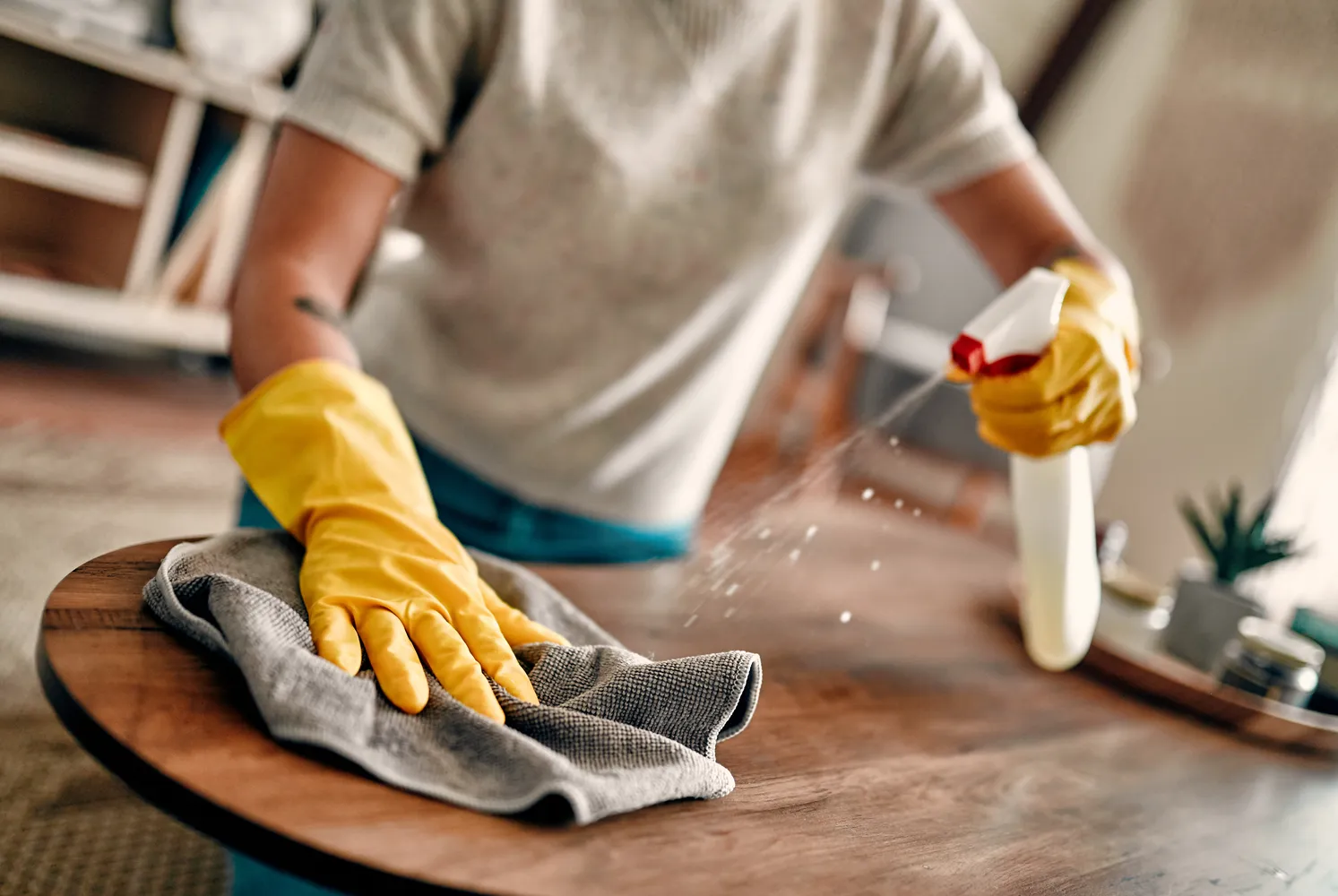
- Gloves: Chemical-resistant gloves (like nitrile) will protect your hands.
- Goggles: Prevent chemical splashes from reaching your eyes with safety goggles.
- Protective Clothing: Long sleeves, pants, and even a coverall should be worn to protect your skin from splashes.
Prepare Your Workspace
Preparing your workspace not only involves clearing out any unnecessary items but also ensuring that the area is safe for the use of chemicals.
Safety Tip: Lay down drop cloths or old towels to protect the flooring and nearby fixtures from spills. Use painter’s tape to cover any surfaces that you don’t want to accidentally coat.
Handling and Disposal of Chemicals
Proper handling and disposal of chemicals are vital to maintain safety. Mismanagement can lead to dangerous spills, accidental poisonings, and environmental harm.
Safety Tip: Always handle chemicals with care, ensuring lids are tightly closed when not in use. Follow local regulations for the disposal of hazardous materials — do not pour them down the drain.
Be Aware of Fire Hazards
Some chemicals used in bathtub refinishing are flammable. It’s important to minimize the risk of fire by keeping them away from heat sources and open flames.
Safety Tip: Clearly mark all containers with their contents and whether they are flammable. Keep a fire extinguisher accessible in your work area.
Take Breaks and Monitor for Symptoms
Long exposure, even with protective gear, can be harmful. It’s important to take regular breaks and step out into fresh air.
Safety Tip: If you experience dizziness, nausea, eye irritation, or breathing difficulties, stop working immediately, get fresh air, and seek medical advice.
Educate Yourself and Others
If you’re undertaking a DIY bathtub refinishing project, educate yourself thoroughly before starting. If you hire professionals, ensure they follow these health and safety guidelines.
Safety Tip: Knowledge is power. The more you know about the processes and products, the safer you and your home will be.
Bathtub refinishing, when done correctly, is a fantastic way to update your bathroom safely and affordably. Always prioritize health and safety by preparing adequately, using the right protective gear, and understanding the chemicals you’re working with. With these precautions in place, you can enjoy the results of your hard work without risk to your health or home.